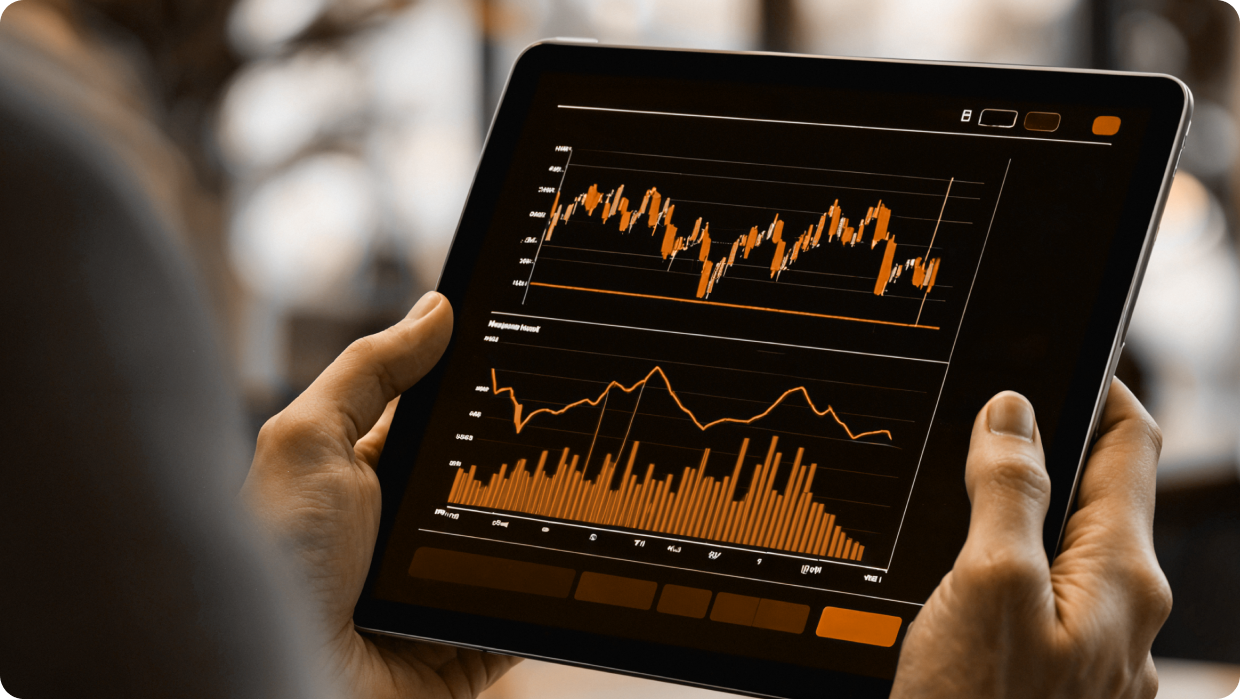
You are ready to move from demo to live trading when you have executed one written strategy for at least two to three months, kept a journal showing consistent rule-following, and can accept the planned loss on any single trade without emotional damage. Profitability on demo helps, but discipline on demo is the real signal.
A demo account is a flight simulator. It exists to make platform mechanics automatic, to test a strategy across different market conditions, and to build the habit of planning entries, stops and targets before clicking. What it cannot simulate is fear, and fear is the variable that changes everything.
The chart is identical; the trader is not. On demo, a 20-pip loss is a statistic. Live, it is dinner money, and the brain treats it as a threat. Traders who calmly held demo positions suddenly close live winners early, widen stops, and hesitate on valid entries. The gap between demo results and live results is almost entirely psychological, which is why the transition needs a plan of its own.
Go live at the smallest size your broker allows, ideally micro lots, and keep risk at 0.5% to 1% per trade. The goal of the first 50 live trades is a single question: can I execute my demo process while feeling real emotions? Only after the journal says yes does size slowly increase. Traders who skip this bridge phase usually pay for it; traders who respect it barely notice the transition. One more honest note: some traders bounce between demo and live for years because no account size ever feels safe. If the checklist is met, start tiny and start. Skill only finishes forming under real conditions.

An honest forex education community by Kishor Kotambe. Learn the markets, build the skill.